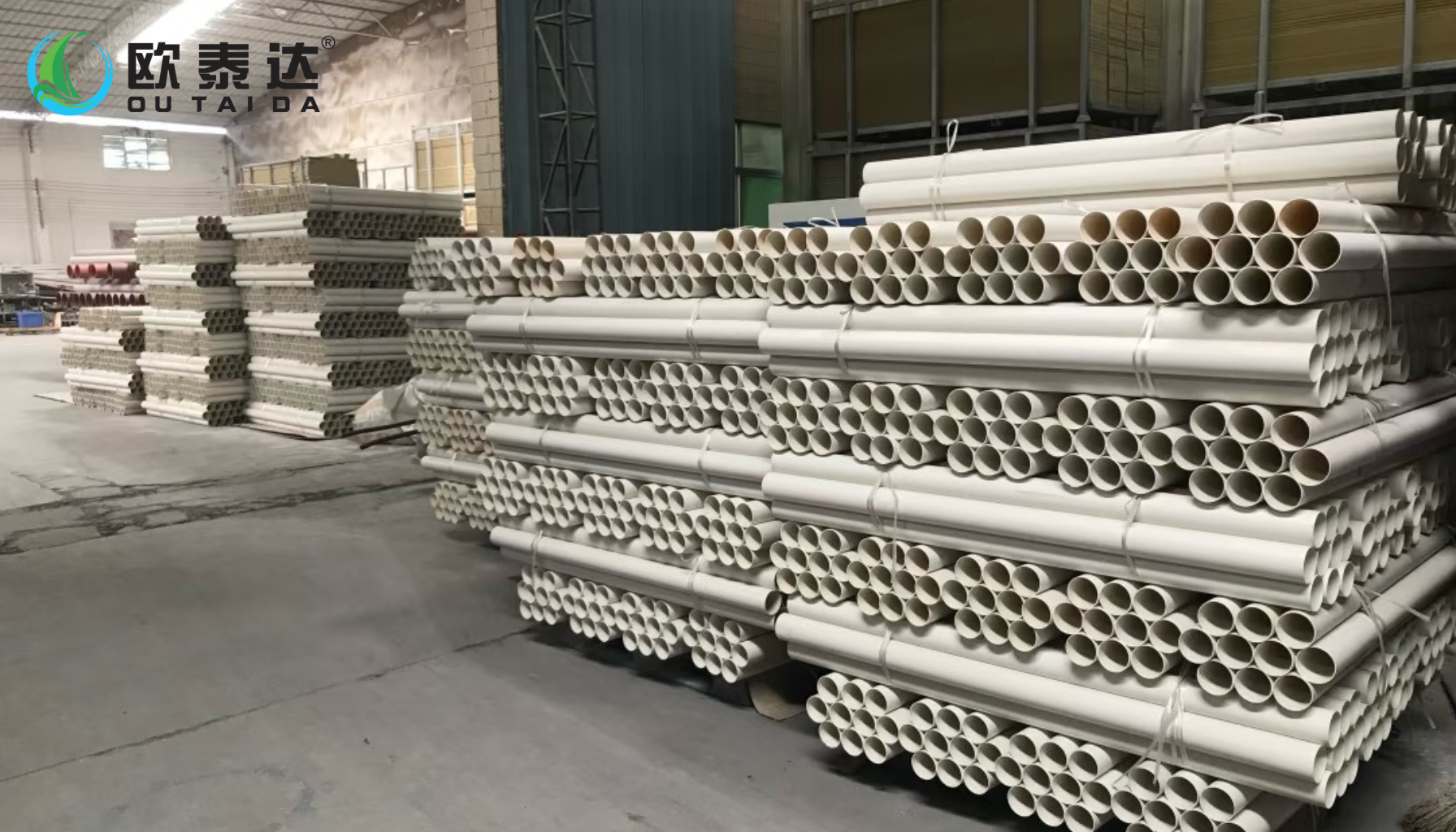
Exploring the Benefits, Standards, and Applications of PVC for Plumbing and Drainage
For decades, architects, engineers, and builders have sought piping solutions that combine durability, cost-effectiveness, and ease of installation. While traditional materials often fall short due to corrosion, scaling, or complexity, Polyvinyl Chloride (PVC) pipe has emerged as the definitive answer for modern water conveyance. From supplying fresh water to efficiently removing waste, PVC pipes form the reliable, unseen circulatory system of contemporary buildings. This article delves into the technical reasons behind PVC’s dominance, exploring its superior properties, key applications in plumbing systems, and the critical industry standards—such as ASTM and ISO—that guarantee its performance and safety.
First, PVC pipes have a significant advantage – corrosion resistance and long lifespan. They won't rust or suffer from electrochemical corrosion, and their service life far exceeds that of metal pipes. Second, PVC pipes have excellent hydraulic performance. Their extremely smooth inner wall results in low frictional resistance, high conveying capacity, and resistance to scaling over long-term use. Furthermore, they are easy to install, lightweight, and easy to cut, significantly saving labor and time costs. Moreover, they are economical and efficient, with low material costs and low total installation and maintenance costs, resulting in a high return on investment.
PVC pipes have a wide range of applications:
Water supply systems: Cold water supply pipes within buildings. Emphasis is placed on the pressure-bearing performance of SCH40 pressure pipes.
Drainage, wastewater, and ventilation systems: Wastewater discharge within buildings (DWV systems). This is the most important and classic application area for PVC.
Other interior building applications: Rainwater pipes, air conditioning condensate drain pipes, etc.
PVC piping systems, with their superior corrosion resistance, excellent hydraulic performance, convenient and economical installation and maintenance, and strict standard compliance, have firmly established themselves as an indispensable cornerstone in the modern building water supply and drainage field. They fundamentally solve the pain points of traditional metal pipes, such as easy corrosion, short lifespan, and high maintenance costs, providing buildings with reliable service for decades. From hot and cold water supply to wastewater discharge, PVC pipes, with their durable performance, prove to be a reliable and long-lasting choice for the building's "lifeblood" system.